The King of All Silent Killers!




There is a
Global PANDEMIC
of Vitamin D
Deficiency (VDD)

Vitamin D deficiency as a predictor of poor prognosis in patients with acute respiratory failure due to COVID-19
Hypovitaminosis D is a highly spread condition correlated with increased risk of respiratory tract infections. Nowadays, the world is in the grip of the Coronavirus disease 19 (COVID 19) pandemic. In these patients, cytokine storm is associated with disease severity. In consideration of the role of vitamin D in the immune system, aim of this study was to analyse vitamin D levels in patients with acute respiratory failure due to COVID-19 and to assess any correlations with disease severity and prognosis.
Watch a 1 minute video of “VDD In Hospitals”
Watch a 1 minute video of “Vitamin D’s Effect On Breast Cancer Prevention”
Watch a 1 minute video of “The Positive Effects of Vitamin D”
Vitamin D and VDD
VDD + Breast Cancer
VDD + Mental Health
VDD + Dementia and Alzheimer's Disease
VDD + Infectious Diseases
Listen to a 13 minute preview of “The Global Pandemic of VDD”
Order direct on Shopify!
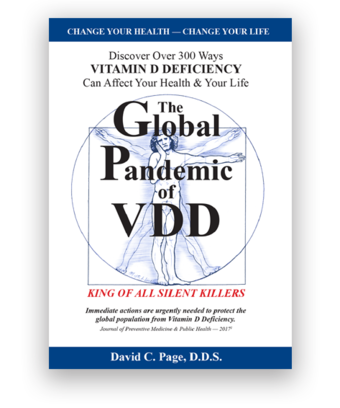
Available Now!
For Educational And Bulk purchases: Use this form
For more on VDD and Vitamin D:
Read: The Global Pandemic of VDD
To learn more about ground breaking Vitamin D deficiency disease related research conducted by the medical community, visit any of these following educational sites.
For more on Medical Dentistry:
Follow Us on Social Media!




Vitamin D Deficiency (VDD)
Related Diseases.
You & your physician should know your Vitamin D blood level. About 70-80% of Americans are Vitamin D Deficient (VDD) and VDD may allow or enhance 300+ illnesses like:
Alzheimer’s & Dementia
Anemia
Aneurysm
Anxiety & Mood, Depression & Suicide
Arthritis (Osteoarthritis & Rheumatoid)
Autism
Autoimmune Disease & Immune Disorders
Bipolar & Unipolar Disorder & Schizophrenia
Bladder Problems
Bone Loss, Bone Disease & Bone Fractures
Brain Damage
CANCER—at least 17 types including:
Blood (Leukemia & Multiple Myeloma), Brain,
Breast, Colon, Kidney, Lung, Lymph (Lymphoma),
Ovaries, Pancreas, Prostate, Rectum,
Skin (Basal Cell, Melanoma),
Thyroid, Testicle & Vagina
Carpal Tunnel Syndrome
Celiac Disease
Chronic Fatigue or Pain Syndrome
Cognitive Function & Concentration
Constipation or Diarrhea
Crohn’s Disease, Irritable Bowel Syndrome (IBS & IBD)
Cystic Fibrosis
Dandruff & Dry Scalp
Daytime Sleepiness
Dental Tooth & Gum (Periodontal) Disease
Dental Tooth Pain, Jaw Pain & Bruxism
Diabetes
Disease Prevention by Raising Serum D Levels
Disease Survival & Mortality
Dyslexia
Ear Disease, Infections, Hearing Loss, Deafness
Eczema
Endometriosis
Epilepsy
Erectile Dysfunction (ED)
Exercise Performance
Falling at Older Age
Fatigue and Fibromyalgia
Fertility–Sperm & Egg (Quality +/or Quantity)
Fetal Bone, Brain, Immune & Lung Disorder
Flu & Common Cold
Gout
Graves Disease
Hair Loss, Hair Thinning & Premature Graying
Headache
Herpes, Cold Sores & Fever Blisters
High Blood Pressure = Hypertension
HIV, AIDS & Venereal Disease
Ichthyosis–“Scaly Skin”
Infertility–Male & Female
Insomnia
In Vitro Fertilization (IVF) Failure
Joint Pain, Joint Inflammation, Bursitis
Kidney Disease & Liver Disease
Leprosy
Lung Disease & Respiratory Infections
Lupus Erythematosus
Lyme’s Disease
Macular Degeneration, Myopia & Retinoblastoma
Meningitis (Bacterial)
Menstrual Cramps & Irregular Cycle
Metabolic Syndrome
Migraines
MRSA & Other Staphylococcus Bacterial Infections
Multiple Sclerosis
Muscle Pain, Fatigue & Weakness
Neuroblastoma, Neuropathy
Obesity
Osteomalacia, Osteopenia & Osteoporosis
Ovarian Cysts
Parasites
Parkinson’s Disease
Perinatal Depression
Peripheral Artery Disease
Pneumonia
Pre & Postmenopausal Syndrome-PMS
Postpartum Depression
Pre-eclampsia
Premature Delivery & Low Birth Weight Baby
Psychiatric Disease Early Onset
Restless Sleep & Restless Leg Syndrome
Rickets
Seasonal Affective Disorder
Sepsis & Septicemia
Sinusitis
Shingles
Skin Disorders – Acne, Psoriasis, Scleroderma, Vitiligo
Stroke
Thyroid Disorders
Tinnitus & Vertigo
Tuberculosis (TB or Consumption)
Uterine Fibroids
Xerostomia–Dry Mouth [9/2017]
Limited permission is given to copy and use this site content for educational purposes only. Please see our disclaimer here for more information.
It is not to be sold. Any use of this material must properly include source citations and/or references.
You can Fact Check a short list of references on the 6 Page VDD Short Story Summary!
Click here for more information about the SmilePage Corporation.
Vitamin D Level Guidelines
Deficient…………………… 0 to 29 NG/ML
Sufficient………………. 30 to 100 NG/ML
Harmful or Toxic….150 to 1220 NG/ML
Tell this to those you care about!




Together we can spread the word about Vitamin D.
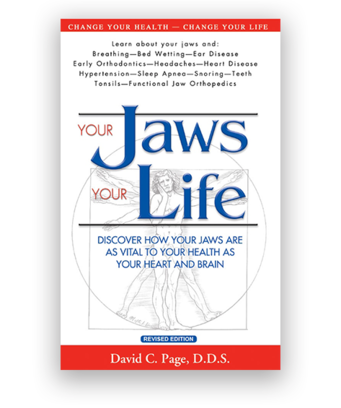
Interested in more amazing health discoveries? Check out our book Your Jaws - Your Life to discover how vital your teeth, jaws, and airways are to your health and your life!

Copyright ©2017-2020 SmilePage® Corporation All Rights Reserved